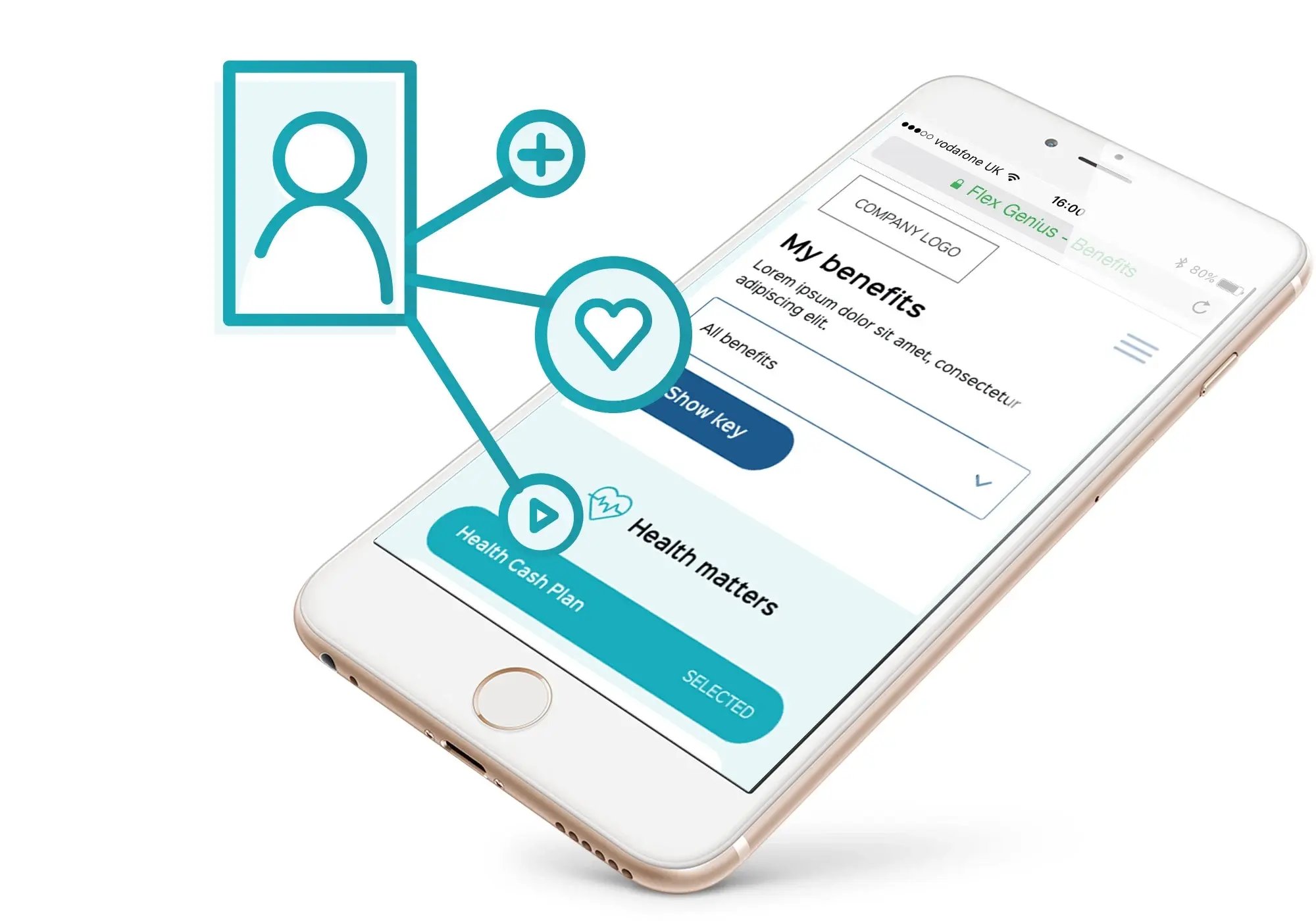
Flexible Holiday Trading Module - FlexGenius | Person adding their bank details to a computer

Holiday trading scheme

Give your people a flexible holiday trading scheme that lets them buy extra days when they need them or sell days back when they would rather have the money. Simple to administer, tax-efficient for both parties, and built into the FlexGenius platform alongside the rest of your benefits.  

Book a Demo

A holiday trading scheme built around real working life

FlexGenius makes it straightforward for UK employers to offer a flexible holiday buy and sell scheme as part of their benefits package. It is designed for mid-market and enterprise organisations that want a well-run, tax-efficient holiday trading benefit without additional manual administration for HR and payroll teams.

Holiday buy and sell scheme, available through FlexGenius

Buy additional leave

Employees can buy extra days of annual leave up to the limit set by the employer. The cost is taken from gross salary as a salary sacrifice, which means both the employee and the employer benefit from reduced National Insurance (NI) contributions. Holiday days are valued at 1/260th of gross basic salary.

Sell unused leave

Employees who want to increase their take-home pay can sell a portion of their annual leave back, within the employer-defined limit. The value of the days sold is added to the employee's gross salary, with income tax and NI applied in the usual way.

Employer controls

The employer sets the parameters of the holiday trading scheme, including how many days can be bought or sold each year, and which employee groups are eligible. FlexGenius gives HR teams full control over the scheme design, with the flexibility to configure different rules for different parts of the workforce.

Streamlined administration

FlexGenius automatically provides vital reporting and administration to enable minimal management of the scheme.

How holiday trading works with FlexGenius

1. Define the scheme parameters

You decide how many days employees can buy or sell each year, which employee groups are eligible, and when the trading window opens. Our team works with you to design a scheme that fits your workforce and aligns with your existing annual leave policy.

2. Employees make their choices

During the annual benefits window, employees log into FlexGenius and elect to buy or sell their chosen number of days. The platform shows the cost or value of each option clearly, so employees can make an informed decision without needing to contact HR.

3. Calculations are handed automatically 

FlexGenius processes each election using the correct salary adjustment. Everything feeds through to payroll accurately without manual intervention.

4. Ongoing management

HR and payroll teams have a clear record of every trade, with the data needed for payroll processing and compliance. Year on year, the scheme runs through the same platform window, so administration stays consistent and the workload stays manageable.

Holiday trading: four challenges FlexGenius helps solve


1

One size annual leave does not fit everyone

A fixed holiday allowance works for some employees and not for others. Parents need more flexibility around school holidays, employees planning a big trip want to extend their leave, and others would rather convert unused days into take-home pay.

The FlexGenius holiday trading scheme lets employees buy or sell a defined number of days each year, within the limits you set as the employer. Everyone gets the flexibility to shape their leave around their life, not a blanket entitlement.


2

Managing holiday trades manually is error-prone

When holiday trading is handled informally, via email requests, spreadsheets and payroll adjustments made by hand, errors creep in. The HR team ends up spending time on administration that should be handled by the platform.

FlexGenius processes each holiday trade automatically. The figures feed through to payroll accurately, and the audit trail is maintained without HR needing to intervene.


3

Low awareness means low take-up

Holiday trading is one of those benefits that employees often discover after the window to use it has closed. Without clear visibility in the right place at the right time, take-up stays low and the benefit costs the same to run as if everyone used it.

FlexGenius brings holiday trading into the same portal employees already use for their other benefits. It is visible, clearly explained and easy to act on. Targeted announcements through the communication tools can prompt employees at the right moment in the benefit year, and issue reminders before the window closes.


4

The tax mechanics feel complicated to set up

HR and payroll teams sometimes hesitate to introduce holiday trading because the salary sacrifice and NI calculations feel complex to configure and explain. Getting it wrong creates payroll problems and erodes employee confidence in the benefit.

FlexGenius handles the mechanics for you. Purchases are processed as salary sacrifice, generating NI savings for both employer and employee. Sales add the day value to gross salary, with tax and NI applied as normal.


1

The value of holiday trading for your organisation

  • Salary sacrifice on holiday purchases generates NI savings for the employer, helping offset the cost of administering the scheme
  • A holiday trading scheme supports talent attraction and retention by offering flexibility that a fixed leave allowance cannot provide
  • Platform administration removes the manual payroll calculations that make holiday trading difficult to manage at scale
  • Employer-set limits on tradeable days keep the scheme predictable and easy to budget for year on year
  • Flexible leave benefits contribute to employee wellbeing, which is consistently linked to higher engagement and lower absence
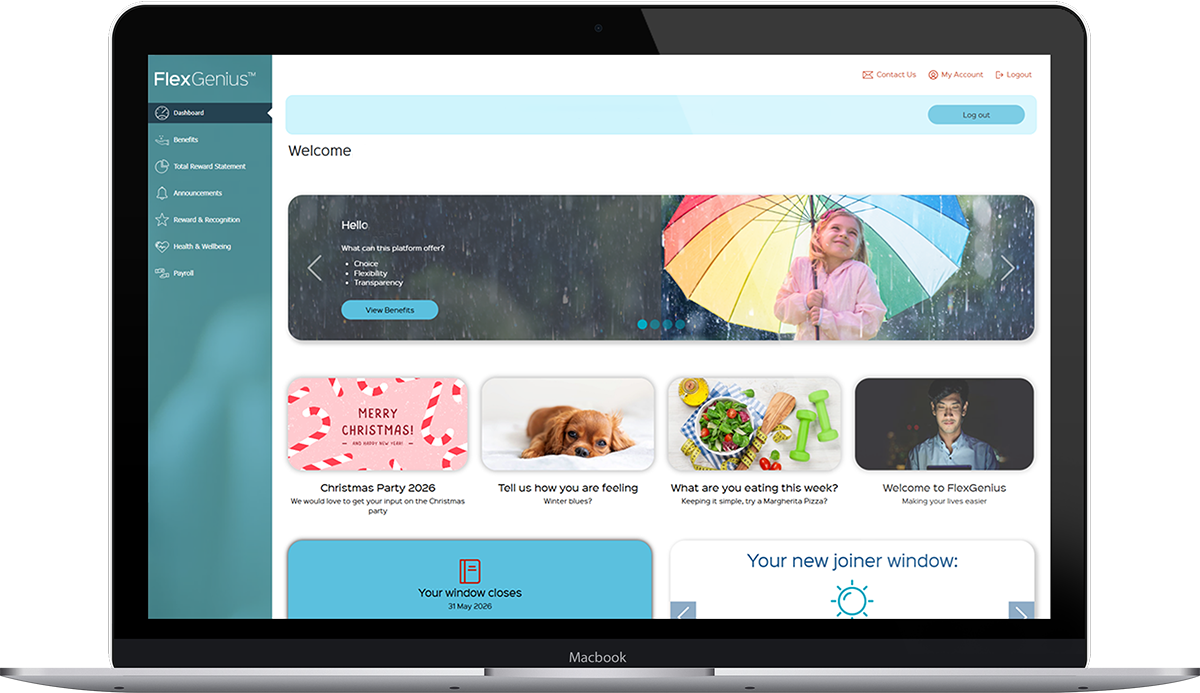
 

laptop-dashboard-1200-1
2

The value of holiday trading for your people

  • Employees planning a big trip or extended break can buy extra days rather than taking unpaid leave or borrowing from future entitlement
  • People can adjust their leave year by year to suit their current circumstances and life stage
  • Employees with short-term financial pressures can sell unused days to increase their take-home pay during the months that matter most
  • Purchasing extra leave through salary sacrifice reduces taxable pay, which can lower both income tax and NI contributions
  • The benefit is self-service: employees choose what works for them within the employer's limits, without needing to involve HR
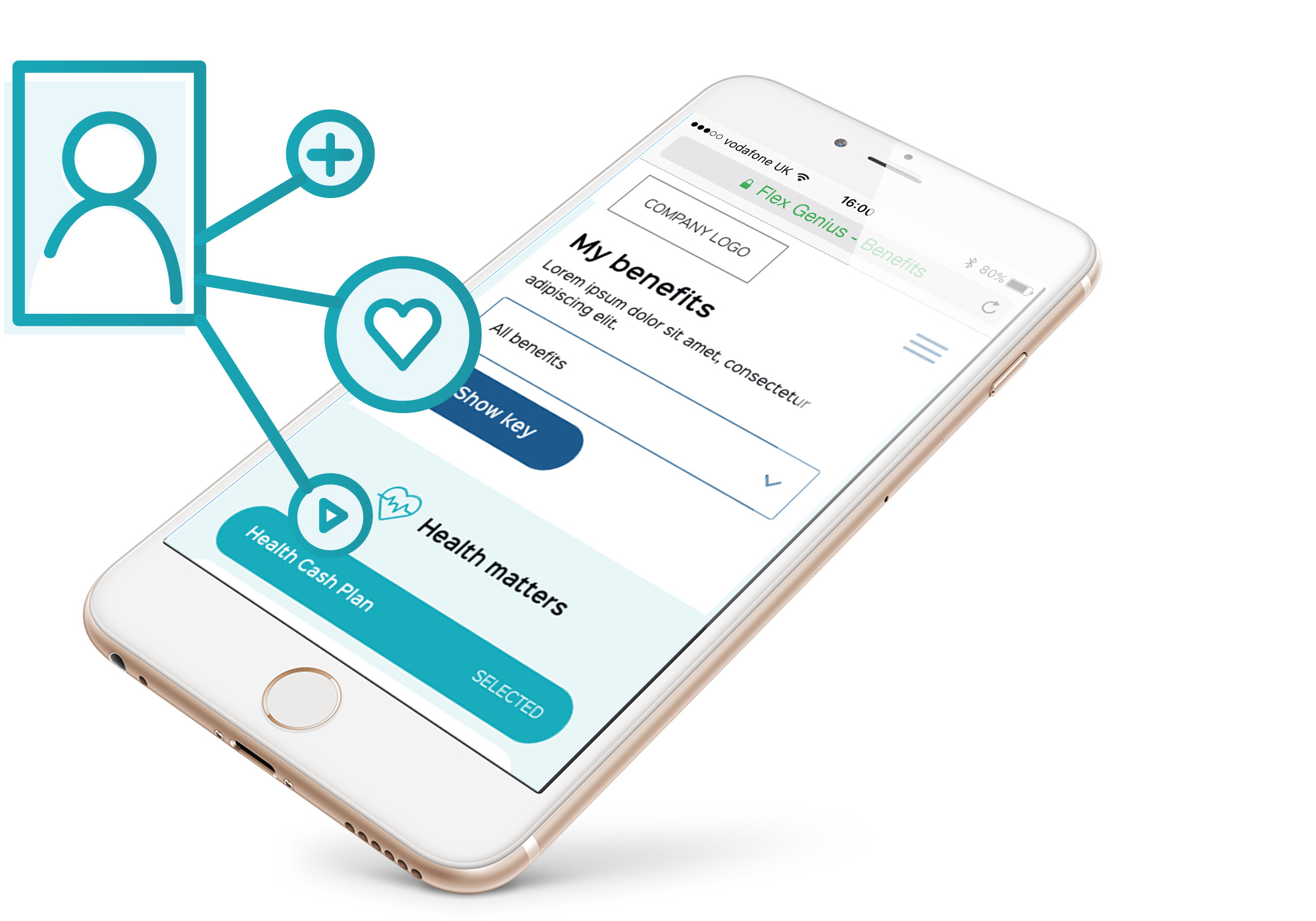
 

home-section-img

Other flexible benefits that sit alongside holiday trading

Cycle to work

Let employees spread the cost of a bike and equipment through salary sacrifice. A practical, popular benefit that sits naturally alongside holiday flexibility.

Explore cycle to work

Lifestyle benefits

Give employees access to a wider range of lifestyle benefits, from gym memberships to retail discounts. More ways to make the package feel worthwhile.

Explore lifestyle benefits

Employee discounts

Help employees make more of their salary with savings across 4,000+ UK retailers and everyday essentials to support everyday financial wellbeing.

Explore employee dischounts

Financial education

Pension and retirement modellers, video content and a plain-English glossary. Better-informed employees make better benefit choices.

Explore education and advice

FAQs about holiday trading

What is a holiday trading scheme? +

A holiday trading scheme lets employees buy extra annual leave days or sell unused days back, within limits set by the employer. Employees fund purchases through salary sacrifice and receive the value of any days they sell through their pay. 

How are holiday days valued? +

Holiday days are typically valued at 1/260th of an employee's gross basic salary. This is the standard approach used by most UK employers running a holiday trading scheme, and it is the basis FlexGenius uses for all calculations.

Are there tax savings for buying holiday? +

Yes. When an employee buys additional leave through salary sacrifice, both they and the employer save on National Insurance (NI) contributions. The employee also reduces their taxable pay, which can result in a lower income tax bill depending on their tax band.

What happens when an employee sells holiday? +

The value of the sold days is added to the employee's gross salary for that pay period and taxed in the usual way. There is no salary sacrifice element when selling holiday.

How many days can employees buy or sell? +

This is set by the employer when configuring the scheme. Most UK employers allow between one and five days to be traded per year, though FlexGenius can be configured to accommodate whatever limits work for your organisation and existing leave policy. 

Can all employees take part? +

That depends on how the scheme is configured. Employers can make the benefit available to all employees or restrict it to specific groups. Employees must also retain at least 20 days of statutory annual leave under UK employment law, so any holiday purchase limits need to account for this.

Does FlexGenius handle the payroll adjustments? +

FlexGenius manages the calculations and produces the data needed for payroll processing. The platform handles salary sacrifice calculations for purchases and value additions for sales. Your payroll team receives accurate, ready-to-process information.

How long does it take to set up? +

Holiday trading is configured as part of your wider FlexGenius implementation, which typically takes between eight and twelve weeks from kick-off to go-live. If you are adding holiday trading to an existing deployment, the setup time is considerably shorter.