Cycle to work scheme
Help your people save up to 42% on a new bike and accessories through salary sacrifice. FlexGenius runs the cycle to work scheme end to end, so it's simple to set up and easy for employees to use.
What is a cycle to work scheme?
A cycle to work scheme is a salary sacrifice benefit that lets employees get a voucher from their employer to purchase a bike and safety equipment, then pay for it from their gross salary over an agreed period. Because the cost comes out before tax and National Insurance (NI), employees pay less for the same bike than they would buying it outright, plus they avoid the upfront cost by spreading out payments.
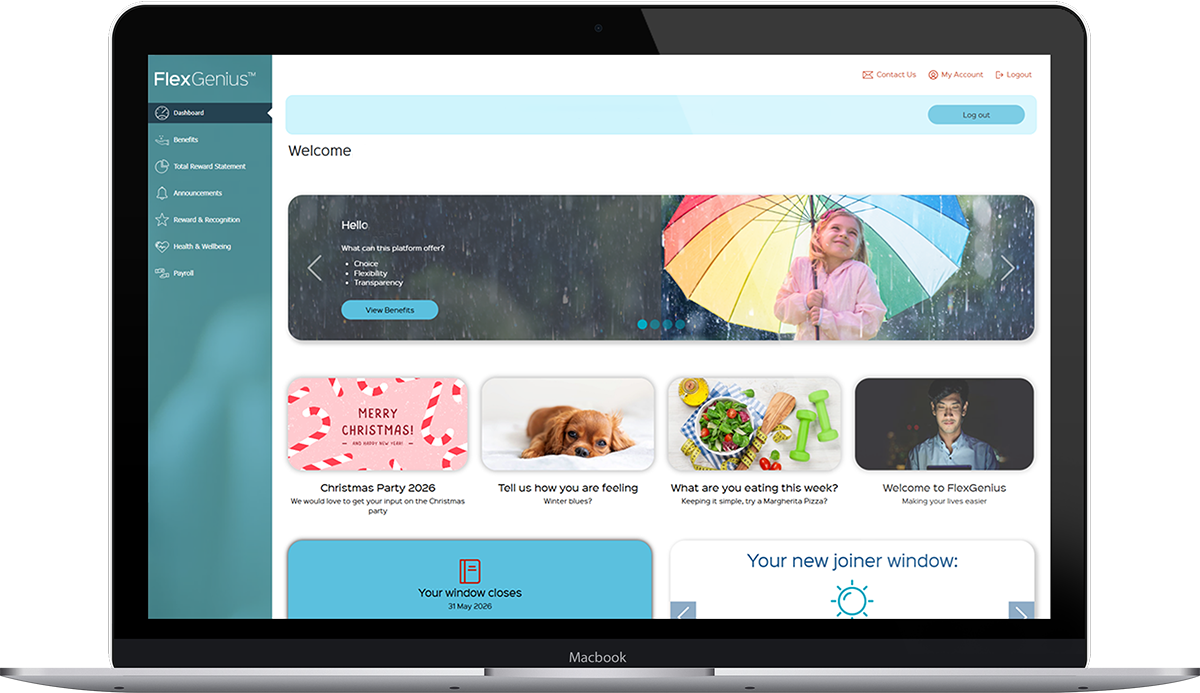
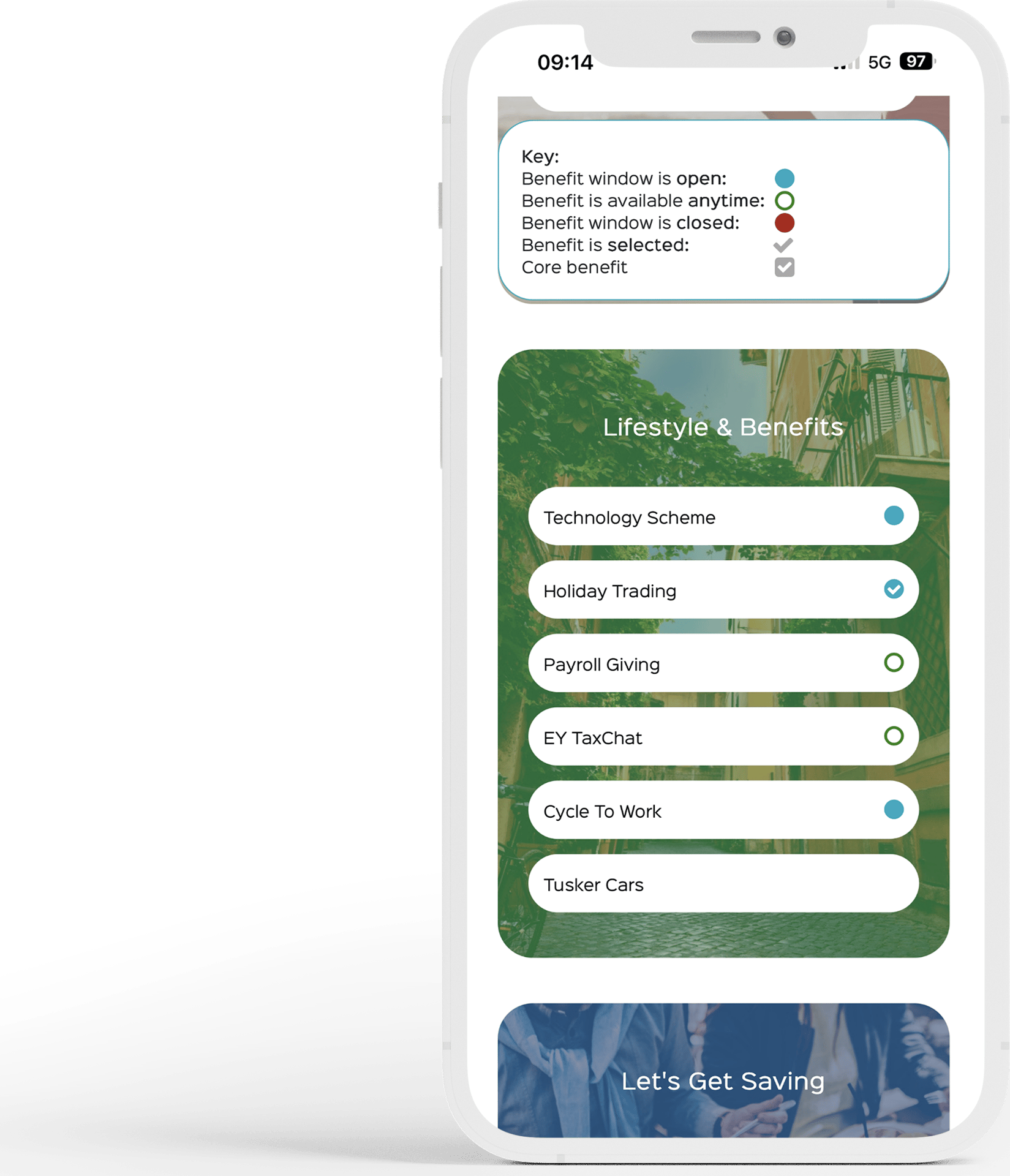
On FlexGenius, your cycle to work scheme sits alongside other lifestyle benefits in the same employee benefits platform, so it's set up once and managed from a single place.
What's included in your cycle to work scheme
Retailer choice
Employees aren't tied to one shop. FlexGenius works with a range of cycle to work retailers, so your people can choose where they buy their bike and equipment, whether that's a high street chain or an independent bike shop.
E-agreements
Hire agreements are handled digitally from start to finish. Employees apply, agree terms and get sign-off without paper forms or manual chasing from your HR team.
Branded communications
Scheme launch materials, reminders and how-to guides are branded to your organisation, so uptake feels like part of your benefits offer rather than an add-on.
Flexible eligibility rules
You decide who can join, when the scheme window opens, and any spending parameters, in line with National Minimum Wage (NMW) rules. FlexGenius applies your settings automatically.
Reporting and visibility
Track sign-ups, scheme spend and uptake by team or location from your admin dashboard, so you can see what's working and if you need to promote the scheme further.
How the cycle to work scheme works
1. Set the rules
Before anyone applies, you decide who's eligible to join, how often new applications can be submitted, and any spending guidance for bikes and equipment. These rules apply automatically once the scheme goes live.
2. Employees choose and apply
Employees pick a bike and any safety equipment from an approved retailer, then apply through their FlexGenius account. They can see the cost and estimated saving before they agree.
3. Salary sacrifice runs automatically
Once approved, the agreed amount is deducted from gross salary each month and fed through to payroll automatically, typically over twelve months.
4. End of agreement options
Near the end of the hire period, employees are offered their next steps, such as extending the hire or taking ownership of the bike, in line with the scheme provider's terms.
"Working with Avantus has been a really positive experience. The platform is easy to use and well thought through, and Lucy was always quick to respond to any questions or issues. Project management was strong throughout, with clear communication and helpful weekly progress updates, which made the whole process feel well organised and stress-free."
Joanne Thompson, people services manager, GEMBA
Lower costs and lower emissions for your organisation
- Employer National Insurance savings: salary sacrifice reduces the salary on which employer National Insurance Contribution (NIC) is calculated. So each bike purchased through the scheme generates a measurable saving
- Less commuting pressure on site: more employees cycling can ease parking demand and reduce congestion around your workplace
- Lower admin burden: retailer choice, agreements and payroll updates are managed through one platform, not handled scheme by scheme
- A lower organisational carbon footprint: every employee who swaps car journeys for cycling reduces your transport emissions, supporting your environmental targets in a visible, easy-to-communicate way
- Support for your wider wellbeing strategy: a well-used cycle to work scheme contributes to broader health and engagement goals alongside your other benefits
A cheaper, healthier commute for your people
- Real savings on a bike: salary sacrifice reduces taxable income, so employees save on income tax and National Insurance (NI) on the cost of a new bike and equipment
- Spread the cost: employees don't need to pay for a bike upfront. Costs are spread over the hire period through payroll deductions
- More choice: employees have the flexibility to choose the bike, equipment and retailer that work best for them
- A simple, transparent process: employees can see the cost and saving before they commit, with no paperwork to deal with
- Better health and wellbeing: regular cycling builds physical activity into the working day, supporting fitness, energy levels and overall wellbeing
Build a complete benefits package around cycle to work
A cycle to work scheme works best as part of a broader employee benefits offer. These related modules complement it.
Lifestyle benefits
Give employees more choice over how they work, spend and live, from buying extra holiday and the latest tech to electric vehicles.
Holiday trading
Let employees buy or sell annual leave to suit their lifestyle, with savings on tax and NI for both sides.
Health benefits
Private medical insurance, virtual GP, health cash plans, gym discounts and more, supporting employee wellbeing alongside a more active commute.
Employee savings
Give your people access to savings across thousands of UK retailers, so the value doesn't stop at their bike.
Cycle to work scheme FAQs
Savings depend on an employee's tax bracket, but most employees save up to 42% on the cost of a bike and accessories compared to buying outright.
There's no fixed government cap on cycle to work spend, so the scheme can cover anything from a basic commuter bike to a higher-value e-bike. Any limit on spending is set by you as the employer, alongside National Minimum Wage requirements.
Near the end of the agreement, employees are offered options such as extending the hire or transferring ownership of the bike, in line with the scheme provider's standard terms.
Cycle to work is built into the FlexGenius platform, so there's no separate setup process. Overall platform implementation typically takes around eight weeks, though this can vary depending on the size of your organisation.
This depends on the rules you set as the employer and the retailer's terms. Some organisations allow employees to put through a single combined order covering a bike and accessories, or, in some cases, more than one bicycle.
The hire agreement and salary sacrifice deductions continue as normal, even if the bike is lost, stolen or damaged. Employees are still paying for the right to use the bike under the agreement. Most retailers recommend separate insurance.
If someone leaves partway through the agreement, any salary sacrifice instalments still owed are usually collected from their final pay instead of future payslips, since the tax and NI savings only apply while they remain employed and on payroll. The exact process depends on your scheme provider's terms.
These terms refer to different aspects of the same arrangement. The hire agreement is the contract that sets out the terms employees agree to when they take on the bike. The hire period is how long that agreement runs, commonly twelve months. The salary sacrifice period refers to the months during which the cost is deducted from gross pay under that agreement. In practice, the hire period and salary sacrifice period are usually the same length.
Book a free demo
The only way to truly assess new software is to see it in action. Why not book a free demo of our simple-to-use system, and take the opportunity to ask our consultants how the platform can configured to your exact business requirements?
Want to have a chat?
Want to know a bit more about FlexGenius? Our team would be happy to chat with you today!